CarbonBridge

Modular bioreactors for efficient gas-fermentation
INVESTMENT COHORT / Q1 2026
INVESTMENT STAGE / Pre-Seed
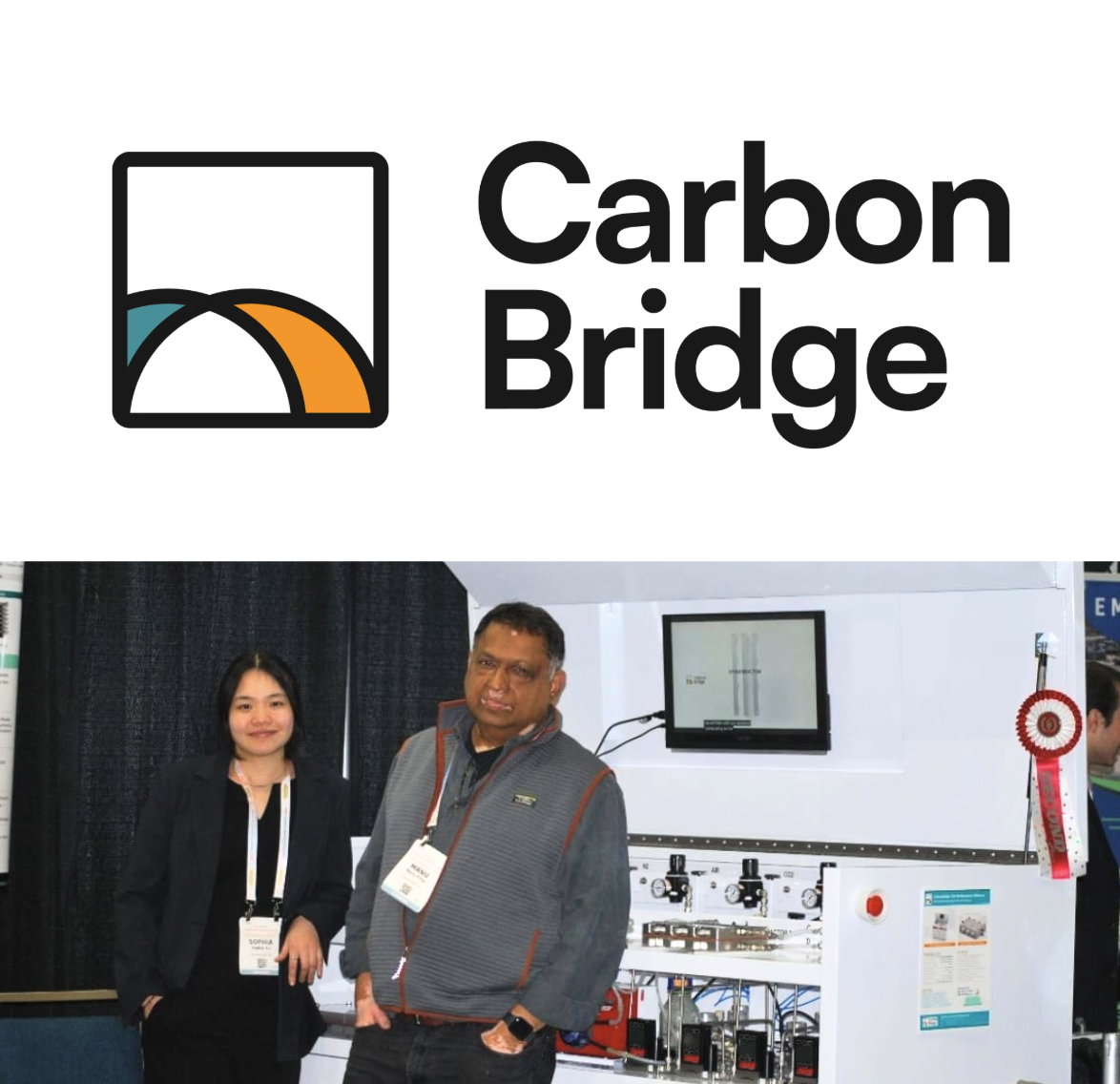
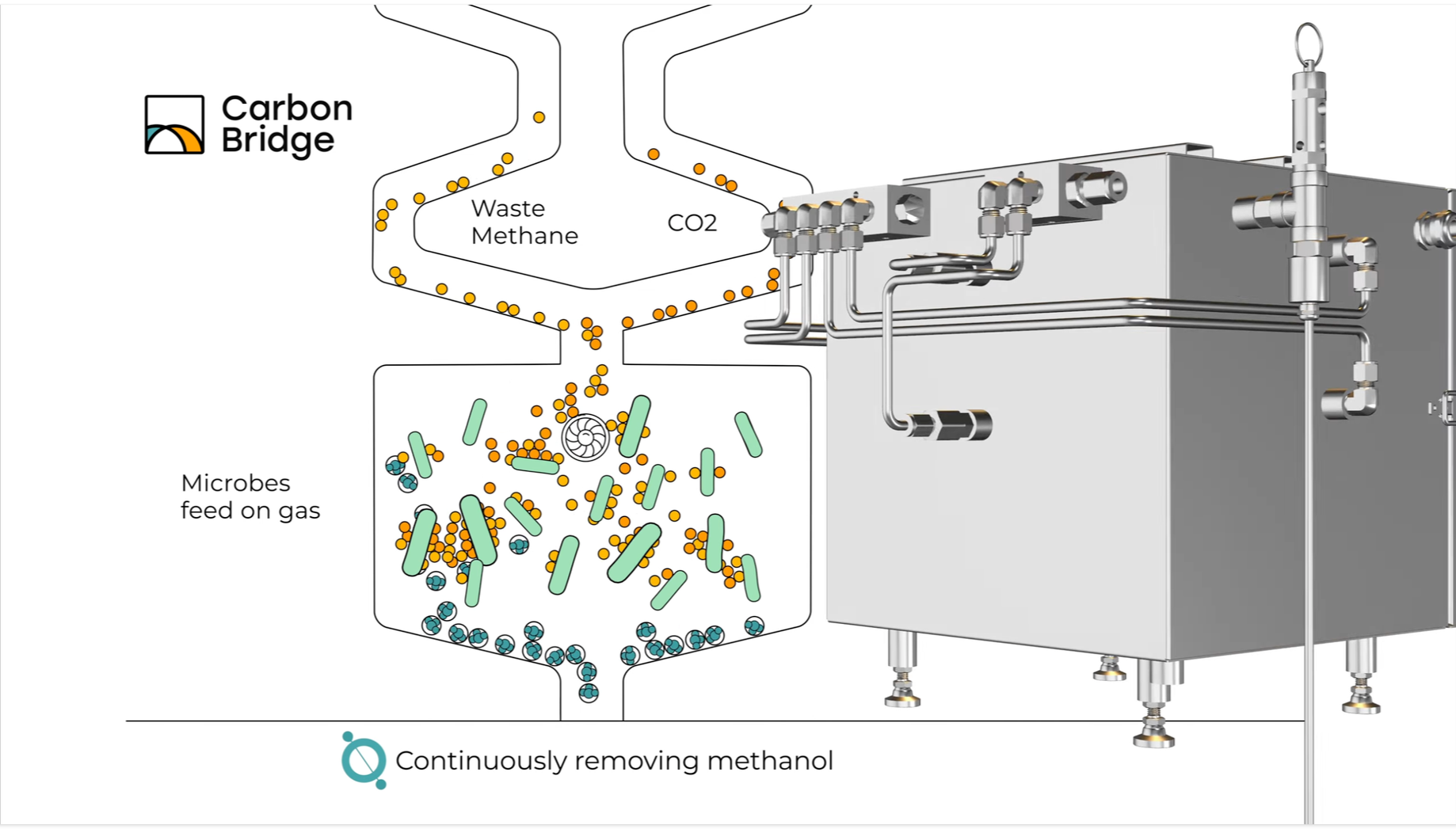
CarbonBridge’s proprietary, modular, distributed, and decentralized bioreactors use biology and engineering to convert gases that may otherwise go to waste in various settings into liquid chemical feedstocks or raw materials that can be used to make products that people use everyday.
Gas fermentation is a bioprocess where microorganisms (typically bacteria) consume gaseous feedstocks — CO, CO₂, H₂, or CH₄ — and convert them into liquid chemicals or fuels via metabolism. The resulting liquid chemicals or fuels serve as feedstocks or raw materials for other applications.
CarbonBridge's bioreactor design combines hardware and software engineering and innovation, in a design that enables the direct-delivery of gasses to the target microbes. This is a novel approach in the industry: The standard mode of delivery requires the input gases to be dissolved in water for metabolism by the target microbes. CarbonBridge's innovation is significantly more efficient and scalable, up to 600% more productive at lab scale.
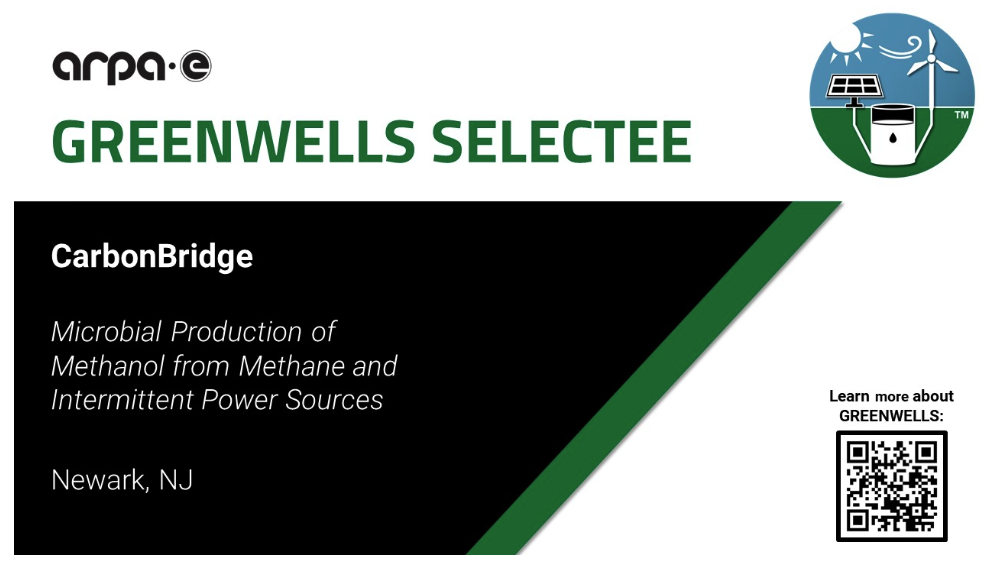
CarbonBridge is starting with Methane to Methanol conversion. Methane is a byproduct of human activities and natural processes. Methanol is used in producing Common Household Products, Automotives & Tooling, Energy & Transportation, and Healthcare & Industrials.
CarbonBridge's bioreactor architecture allows gas-fermentation to occur on a more localized basis, potentially reducing the carbon intensity of the process.
CO-INVESTORS



“One of the best aspects of our investors, friends, angels and institutional, is when they challenge our thinking and sharpen things all around. This is what is happening with Brian Laung Aoaeh, CFA, Lisa Morales-Hellebo the team at REFASHIOND Ventures: The Industrial Transformation Fund, We’ve been fusing supply chain thinking, biology, chemistry, hardware and software, then stress-testing ideas, all to deliver what customers need, packaged the way they want. Being able to brainstorm openly and bluntly to find the best outcomes - real value added investor. (We have the best investors - proven yet again!)”
“Working with the REFASHIOND team has been incredible and they have been one of our top supporters. As prospective investors, they showed real integrity and their process was transparent and rapid. Now as existing investors, they have been all hands on deck since day 1 - from lending their time to craft storytelling to leveraging their connections in our fundraise. Building a massively successful company requires a community and Lisa & Brian step up. We are so grateful to have them on our journey.”